
General-Purpose Plastics
General-purpose plastics are the high-volume raw materials of everyday production, from packaging to appliances, construction to toys. In this group Forbest Plastik supplies ABS, ASA, SAN, polycarbonate, polystyrene grades, PMMA, polyethylene and polypropylene grades, PVC, PET, PETG and speciality polymers such as EVOH, COC, PVA and SAP. Injection, extrusion and blow-moulding grades of the same family differ in flow and impact balance, so stating your process and part thickness in the quote request lets us propose the right grade the first time.
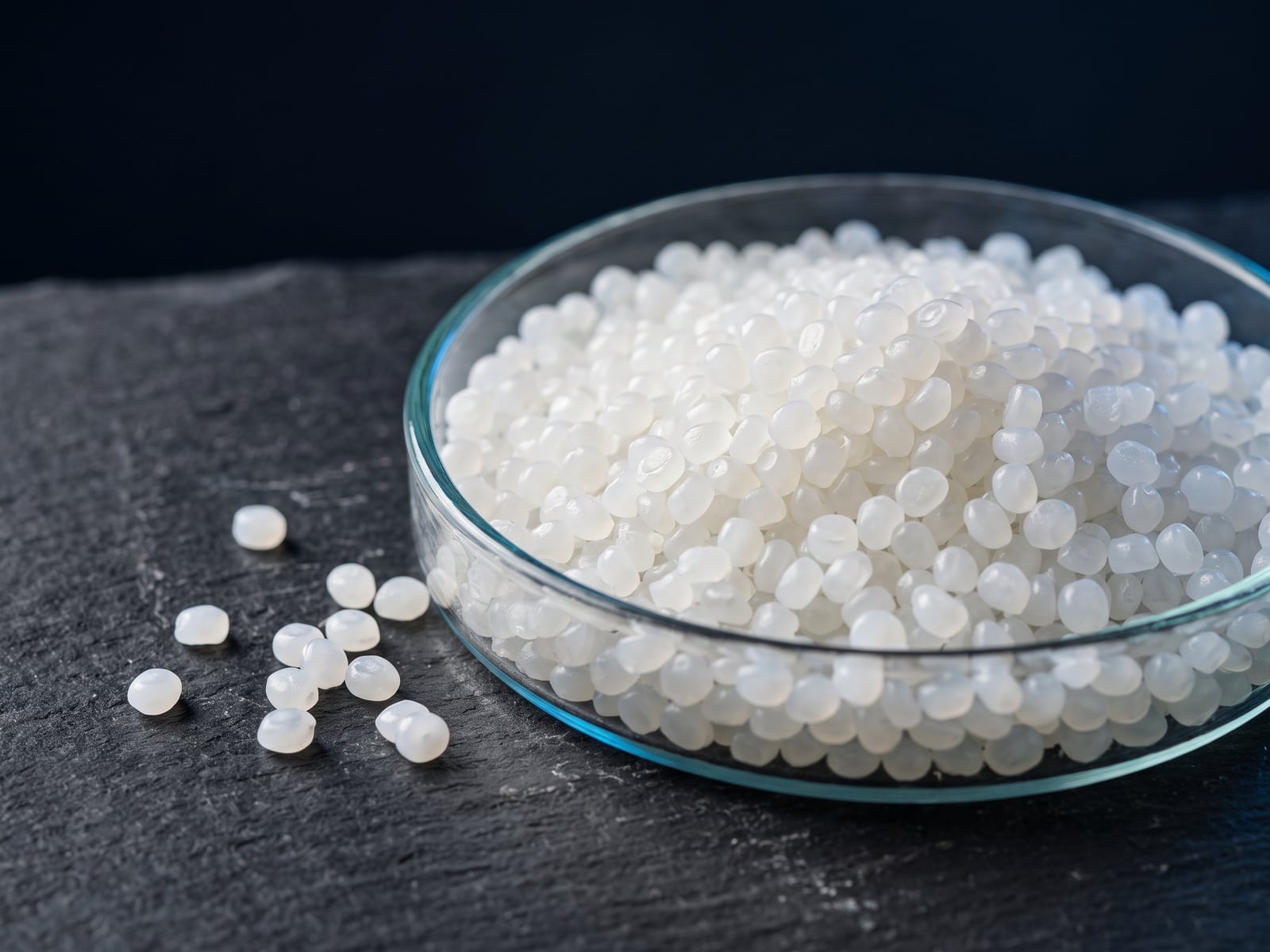
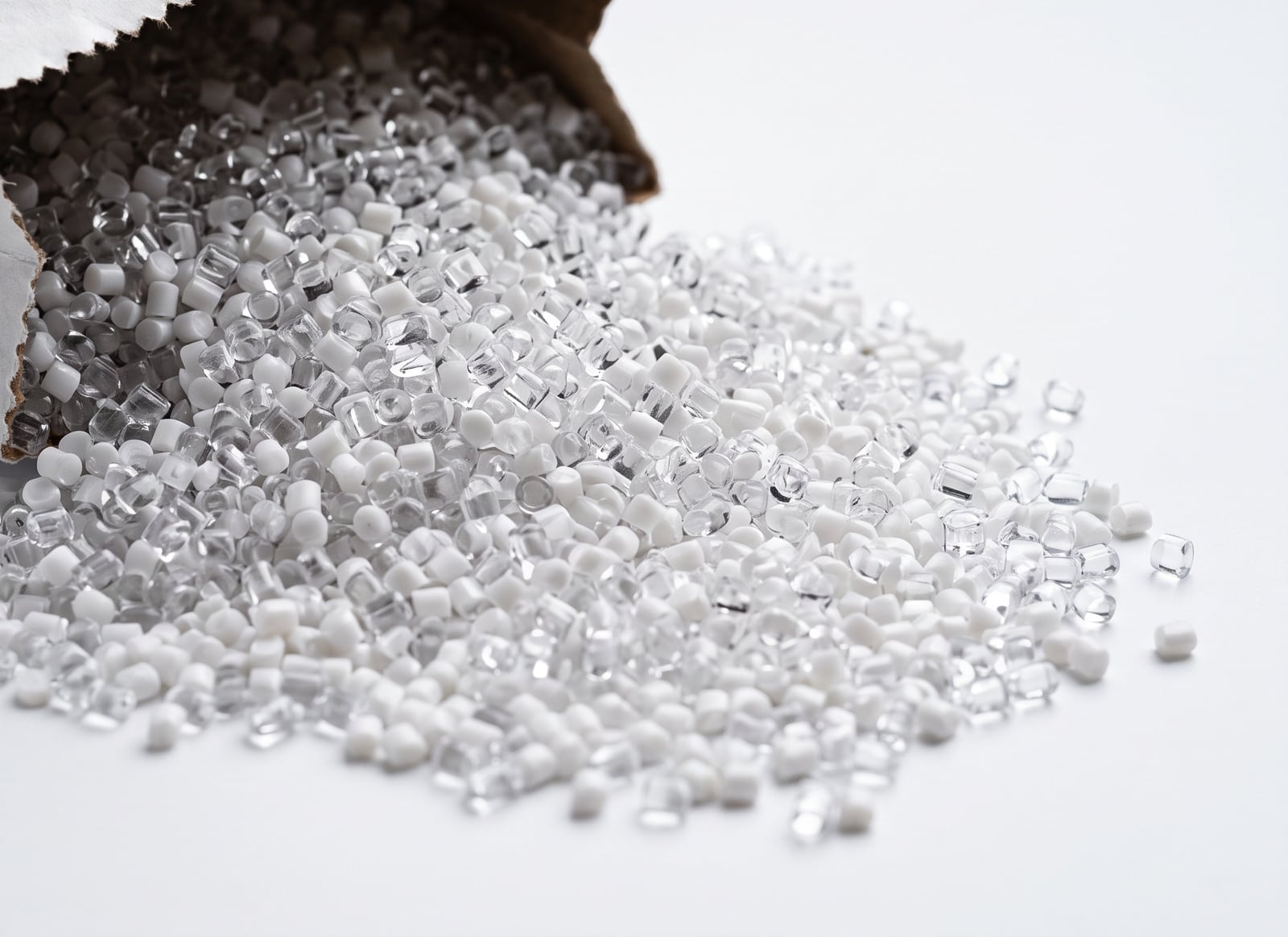
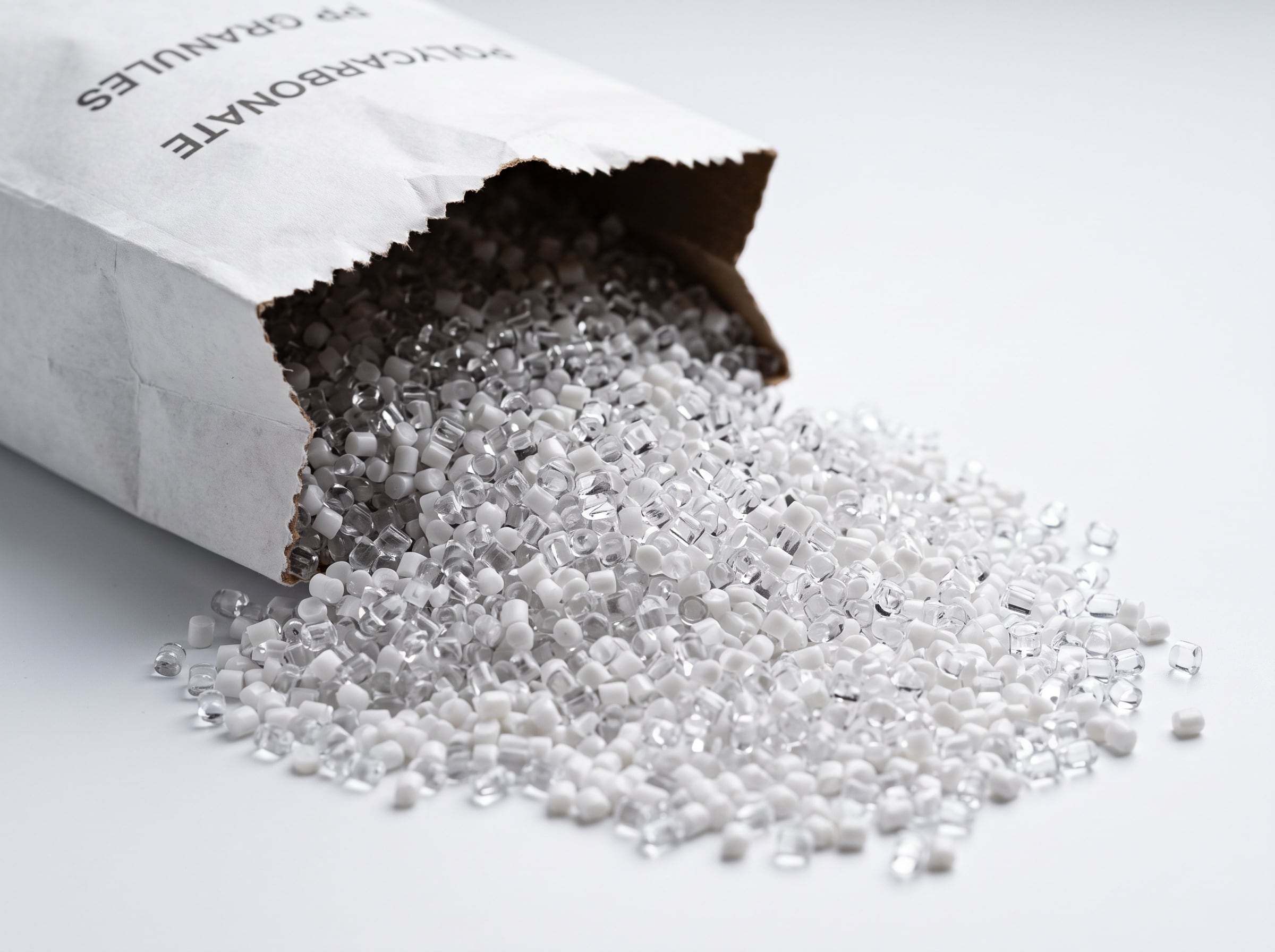 Representative image
General-Purpose Plastics
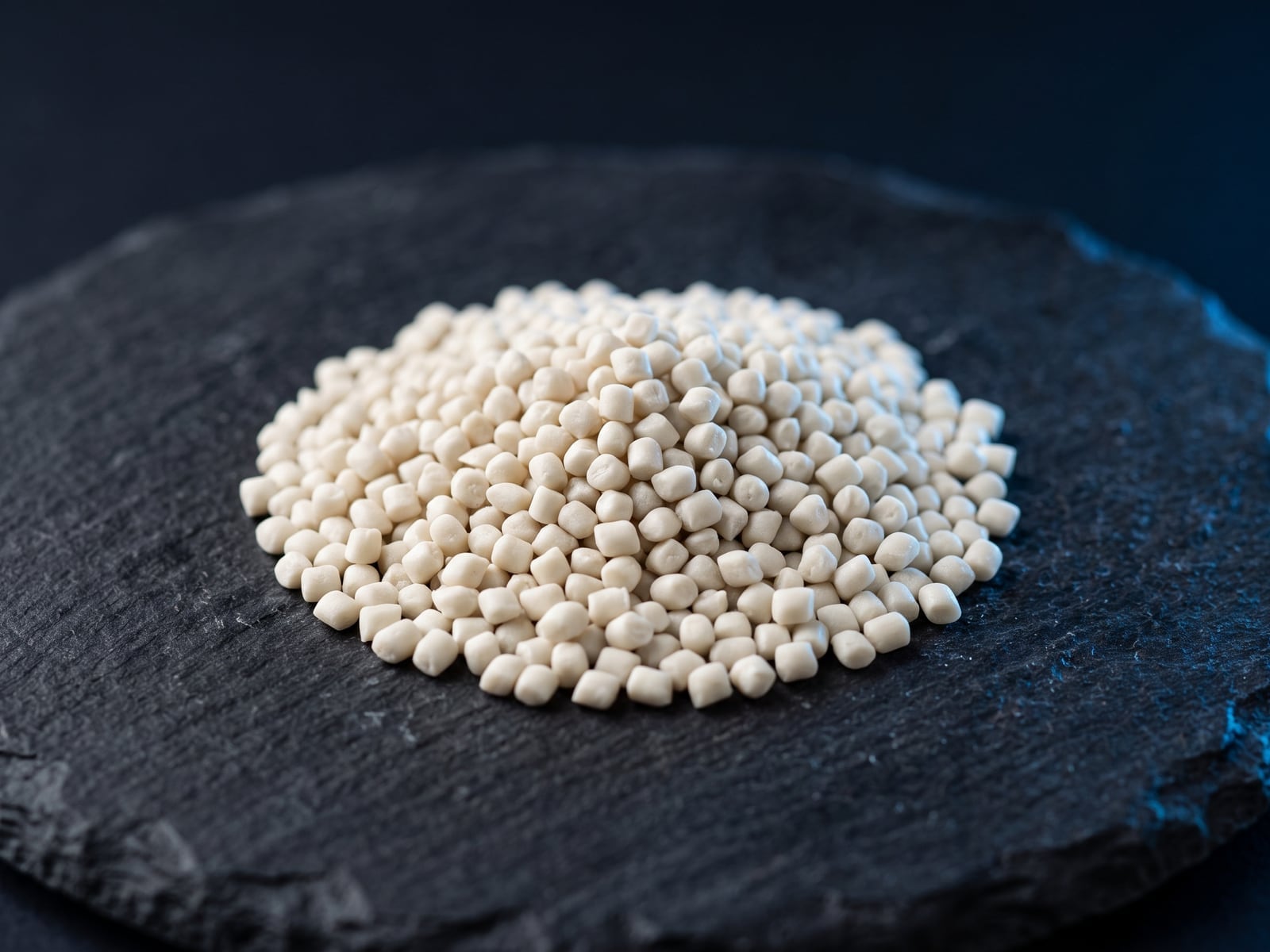
ASAAcrylonitrile styrene acrylate
- UV and weathering
- Impact resistant
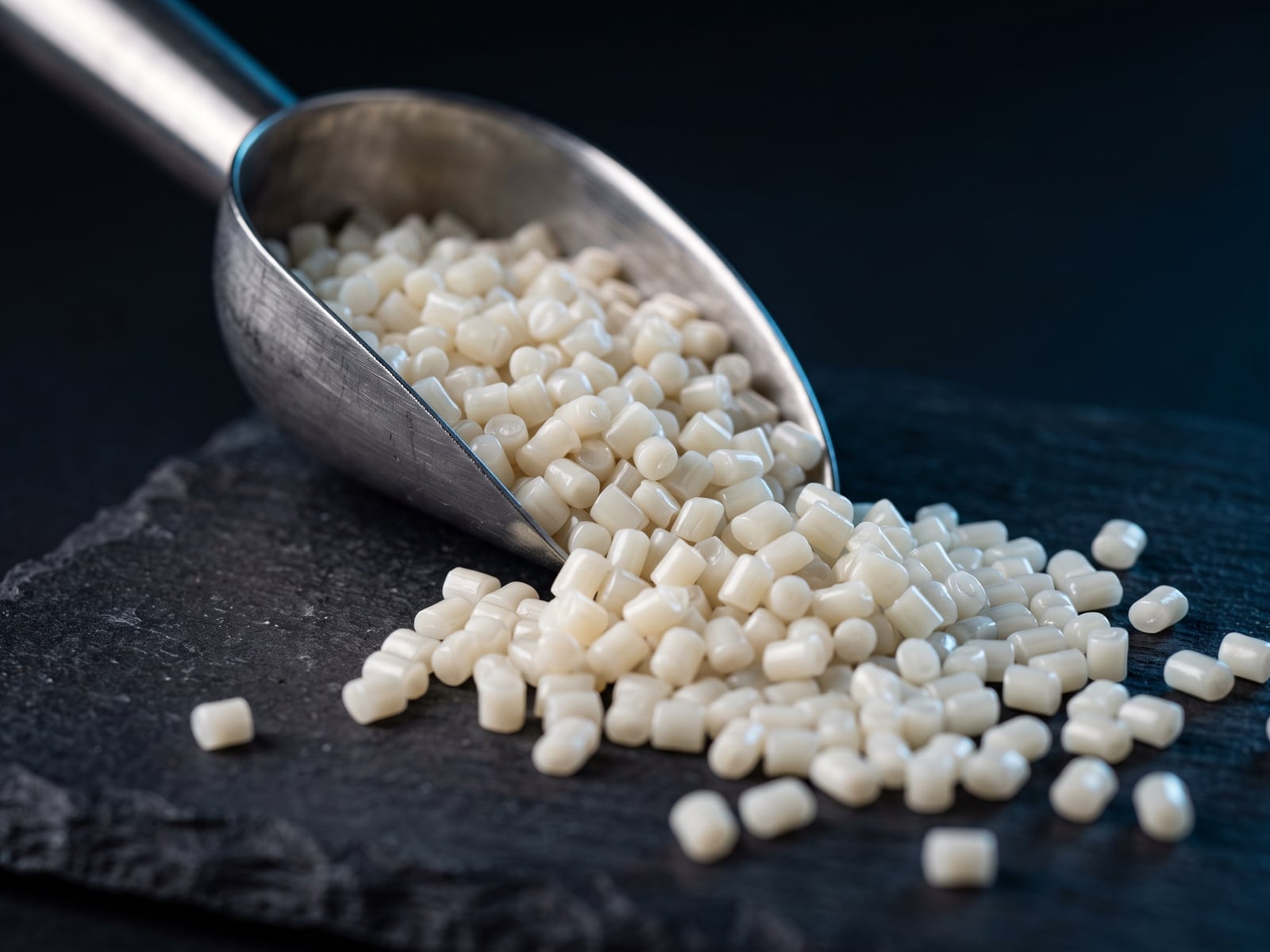
ABSAcrylonitrile butadiene styrene
- Impact resistant
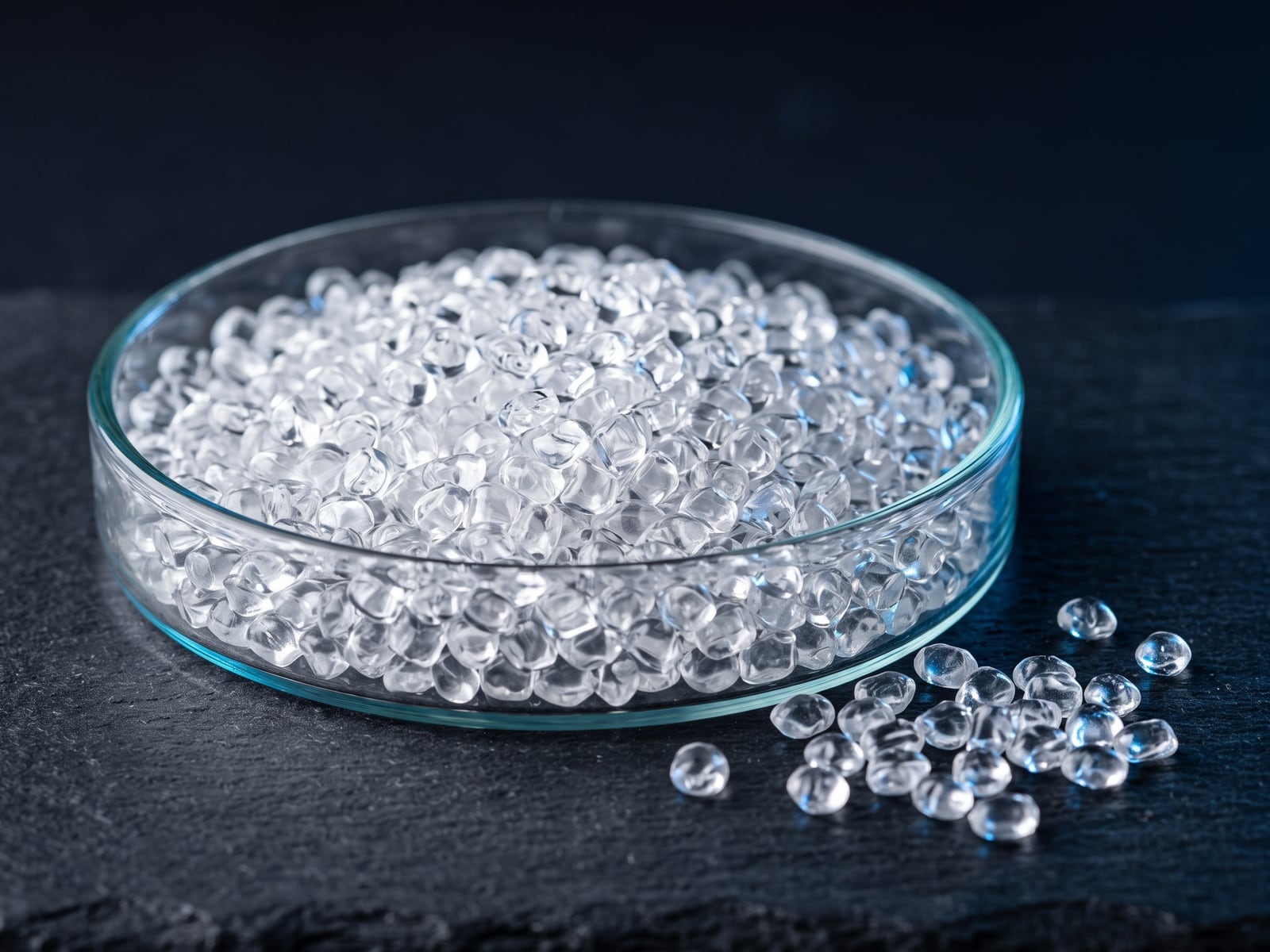
PCPolycarbonate
- Transparent
- Impact resistant
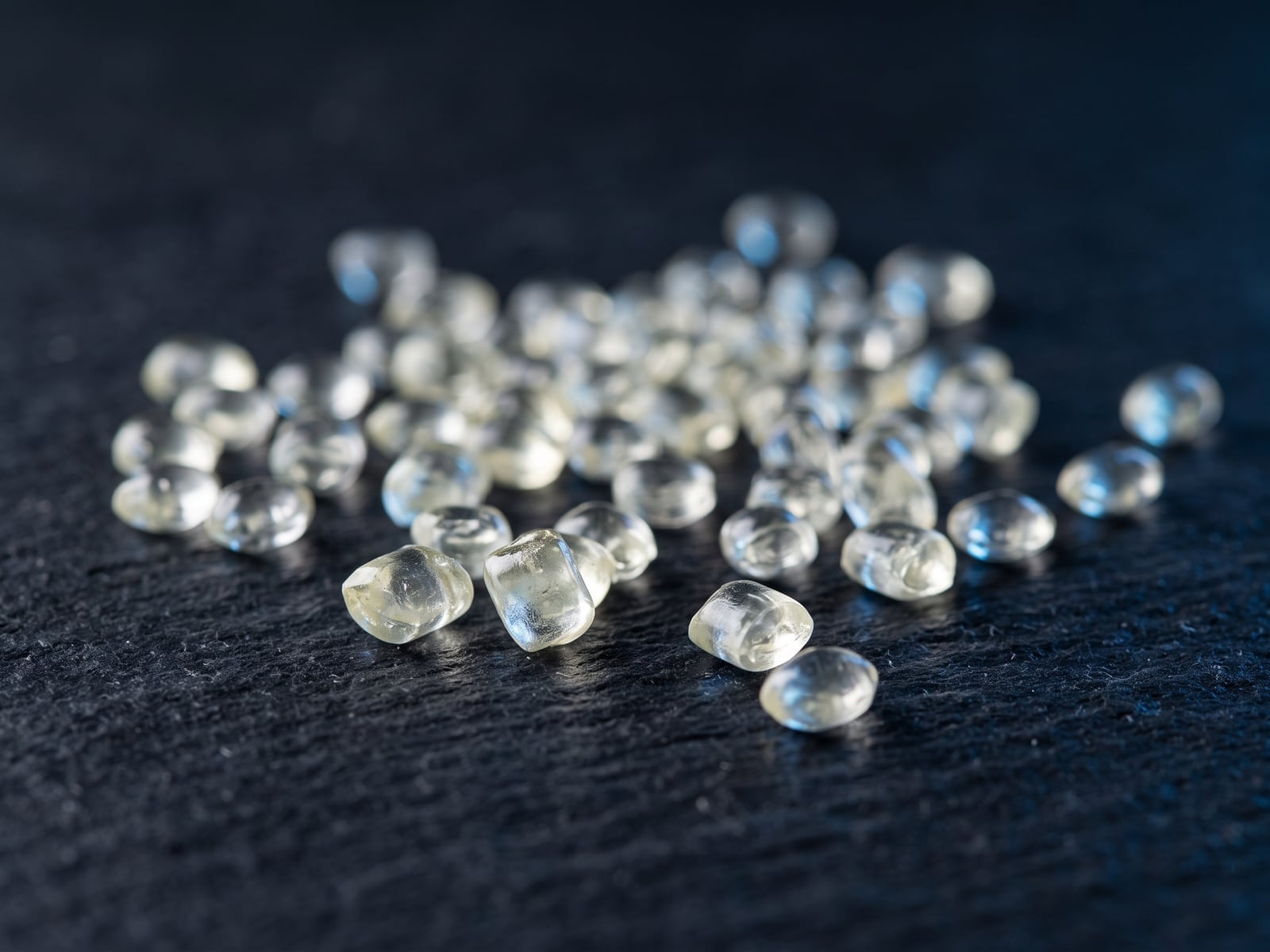
SANStyrene acrylonitrile
- Transparent
- Chemical resistance
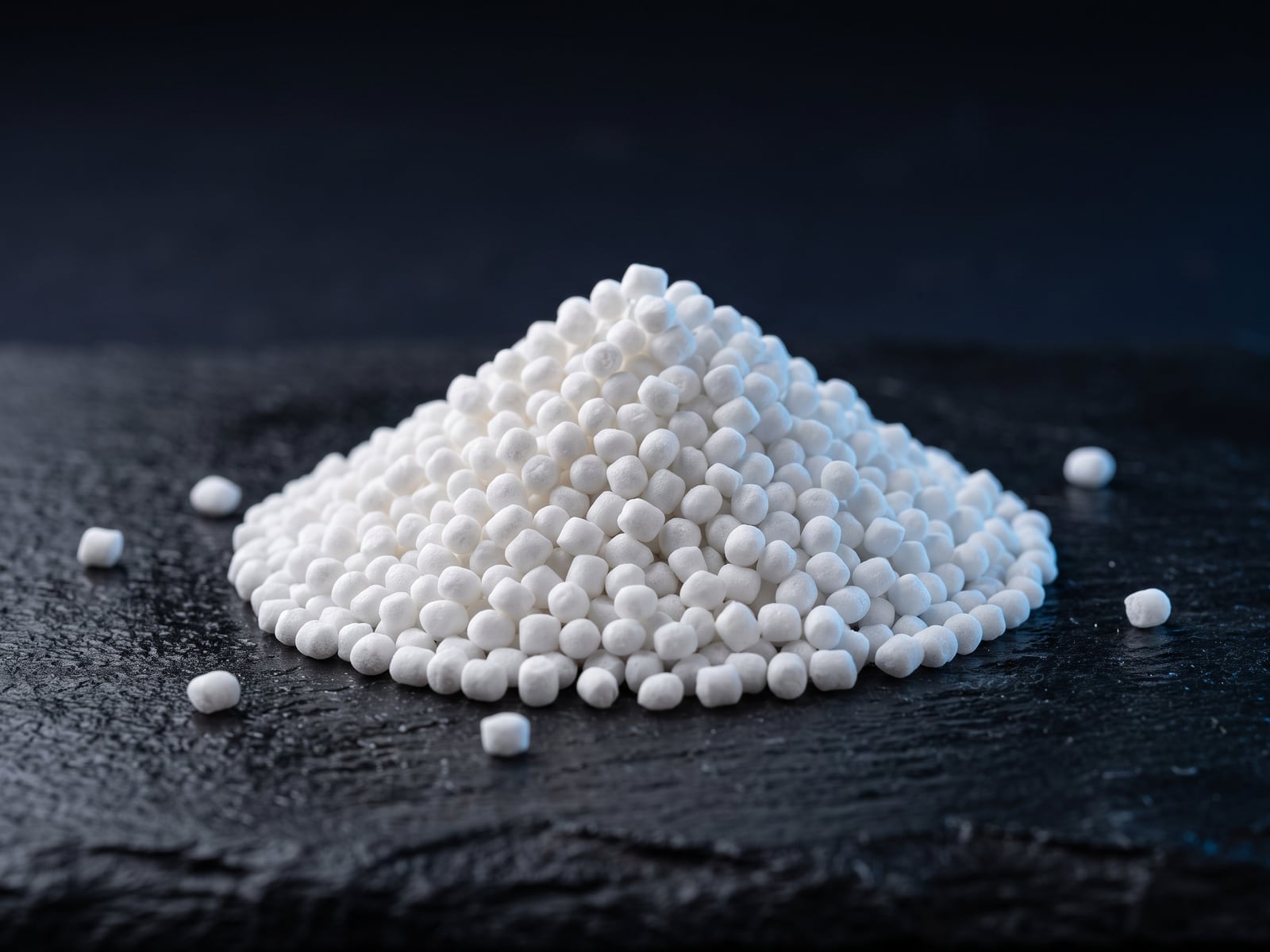
HIPSHigh-impact polystyrene
- Impact resistant
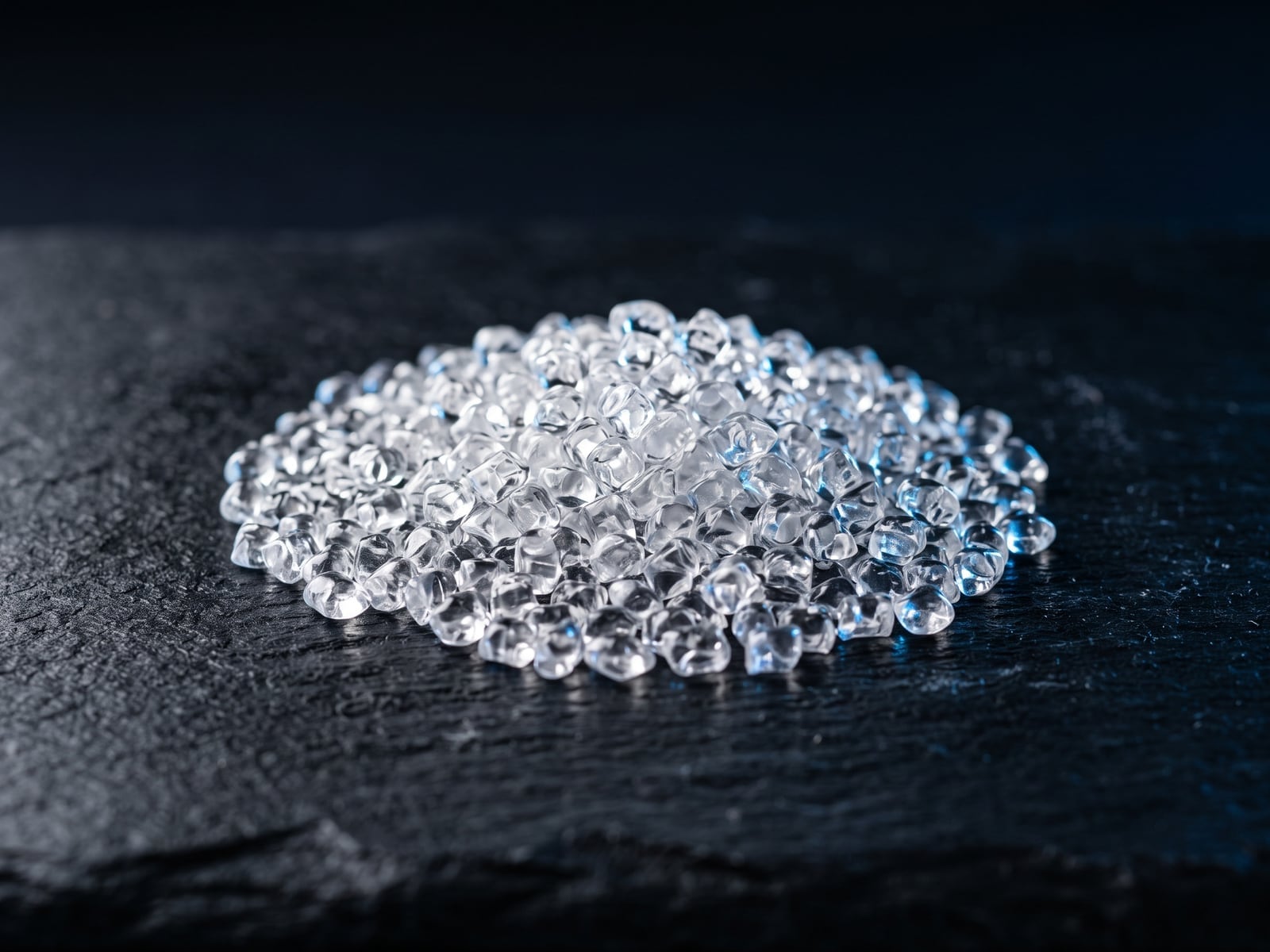
GPPSGeneral-purpose polystyrene (crystal)
- Transparent
- Low density
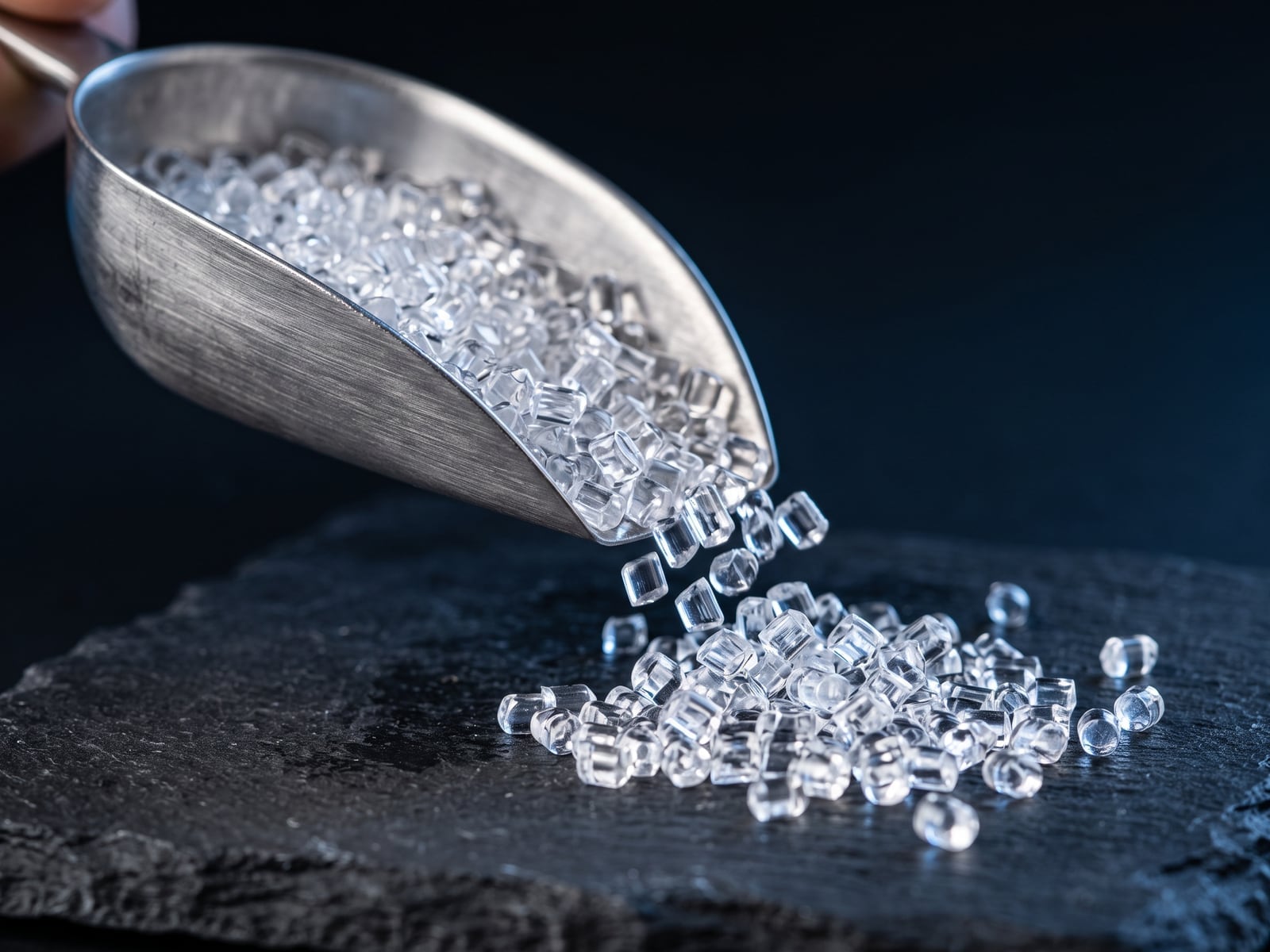
PMMAPoly(methyl methacrylate) (acrylic)
- Transparent
- UV and weathering
HDPEHigh-density polyethylene
- Chemical resistance
- Low density
LLDPELinear low-density polyethylene
- Flexible
- Low density
LDPELow-density polyethylene
- Flexible
- Transparent
No products match this search.
Try the material code (PA6, POM, TPU…) or the family (polyamide, elastomer); if it is not listed, ask via the quote form — our portfolio is wider than this list.
Request a quotePPRPolypropylene
random copolymer — clear, hot-water pipe and transparent packaging- Low density
- Chemical resistance
PVCPolyvinyl chloride
- Flame retardant
- Chemical resistance
SBCStyrene block copolymer (clear, impact-resistant)
- Transparent
- Impact resistant
PETPolyethylene terephthalate (bottle and sheet grade)
- Transparent
- Barrier
PETGGlycol-modified PET
- Transparent
- Impact resistant
PVAPolyvinyl alcohol
- Barrier
COCCyclic olefin copolymer
- Transparent
- Barrier
Product images are representative; actual colour and pellet shape vary by supplier.
Material families in this group
Different product codes from the same family (natural, black, reinforced) share the same base properties; the table below gives the family, its headline typical value and its most common use. Binding values are in the supplier data sheet sent with the quotation.
| Material family | Typical value | Common use |
|---|---|---|
| ASA Acrylonitrile styrene acrylate | Density: 1,07 g/cm³ · Vicat softening: 95–100 °C | Window and façade profiles |
| ABS Acrylonitrile butadiene styrene | Density: 1,04–1,05 g/cm³ · Vicat softening: 95–100 °C | Appliance and small-appliance housings |
| PC Polycarbonate | Density: 1,20 g/cm³ · Glass transition (Tg): 147 °C | Headlamp and tail-lamp lenses |
| SAN Styrene acrylonitrile | Density: 1,08 g/cm³ · Vicat softening: 100–105 °C | Transparent kitchen and bathroom accessories |
| HIPS High-impact polystyrene | Density: 1,04 g/cm³ · Vicat softening: 85–95 °C | Refrigerator liners and door panels |
| GPPS General-purpose polystyrene (crystal) | Density: 1,05 g/cm³ · Vicat softening: 95–100 °C | Clear disposable containers and cups |
| PMMA Poly(methyl methacrylate) (acrylic) | Density: 1,18 g/cm³ · Glass transition (Tg): 105 °C | Tail-lamp and indicator lenses |
| HDPE High-density polyethylene | Density: 0,94–0,96 g/cm³ · Melting point: 128–135 °C | Bottles, jerrycans and fuel tanks |
| LLDPE Linear low-density polyethylene | Density: 0,915–0,930 g/cm³ · Melting point: 120–125 °C | Stretch and silage film |
| LDPE Low-density polyethylene | Density: 0,915–0,925 g/cm³ · Melting point: 105–115 °C | Packaging and greenhouse film |
| PP Polypropylene | Density: 0,90–0,91 g/cm³ · Melting point: 140–165 °C (tipe göre) | Food containers, closures and living-hinge packaging |
| PVC Polyvinyl chloride | Density: 1,38–1,42 g/cm³ (sert) · Vicat softening: 75–85 °C (sert) | Window and door profiles |
| SBC Styrene block copolymer (clear, impact-resistant) | Density: 1,01 g/cm³ · Vicat softening: 70–80 °C | Clear food containers and lids |
| PET Polyethylene terephthalate (bottle and sheet grade) | Density: 1,35–1,40 g/cm³ · Melting point: 245–255 °C | Water, beverage and oil bottle preforms |
| PETG Glycol-modified PET | Density: 1,27 g/cm³ · Glass transition (Tg): 78–82 °C | Signage and display sheet |
| PVA / PVOH Polyvinyl alcohol | Density: 1,19–1,31 g/cm³ · Melting point: 180–230 °C | Water-soluble detergent and agricultural film |
| SAP Super absorbent polymer (sodium polyacrylate) | Absorption (pure water): 200–500 g/g · Absorption (0.9% NaCl): 40–60 g/g | Diapers and hygiene products |
| COC Cyclic olefin copolymer | Density: 1,02 g/cm³ · Glass transition (Tg): 70–180 °C (tipe göre) | Pre-filled syringes and vials |
| EVOH Ethylene vinyl alcohol copolymer | Density: 1,14–1,21 g/cm³ · Melting point: 160–190 °C | Multilayer food packaging and lidding |
The right raw material is one quotation away.
Send the product code or application, quantity and process; the technical team defines the candidate material and sales replies with price, lead time and the data sheet.