
Undried polyamide is spoiled in storage, not in the mould
“Polyamide in an opened bag takes up moisture from the air within hours; the silver streaks in the mould usually come from the bag, not the machine.”
 Representative image
Industrial raw-material supply
Engineering plastics, high-performance plastics, elastomers, compounds and additives: choose the right material for your production with our technical team and source it from a single contact.
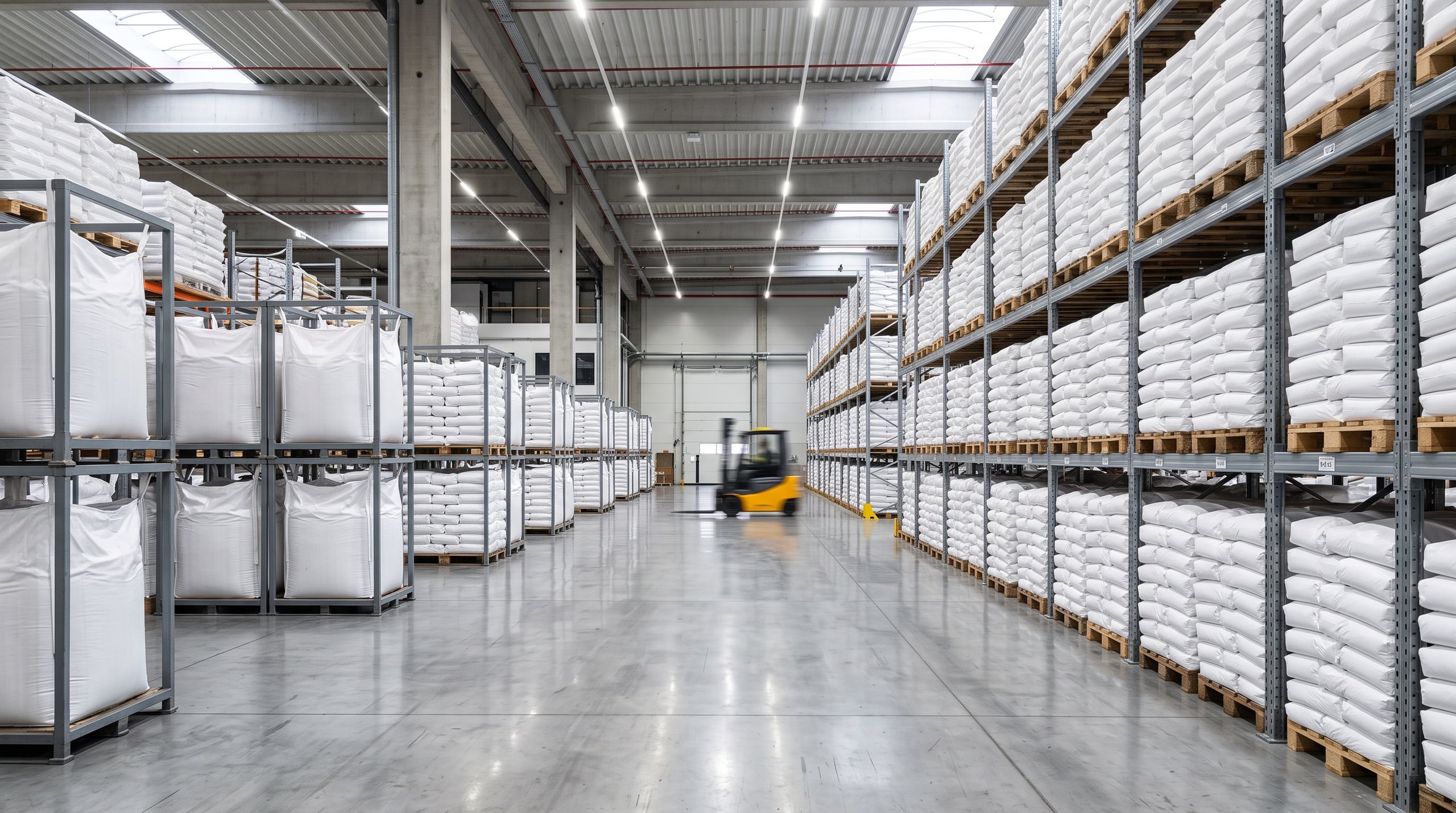
Forbest Mühendislik Plastikleri San. ve Tic. Ltd. Şti. was founded in İstanbul in 2019 by Kerem Varnalı and supplies raw materials to plastics manufacturers. We work in six groups: engineering and high-performance plastics, commodity plastics, elastomers, ready compounds and additives. Products are imported from overseas producers and shipped on pallets throughout Türkiye from our Arnavutköy warehouse. For every request our technical team defines the candidate material for your application and the sales team sends a written quotation, lead time and supplier data sheet; a trial sample is sent on request. There is no list price on the site; the price is stated in the quotation according to quantity and delivery terms.
We list 81 product codes in six groups; the portfolio is wider than the list, because injection, extrusion and blow-moulding grades of the same family and different reinforcement levels are sourced as well. If the code you need is not listed, write it in the quote form and we will source it and reply with the data sheet.
On every group page the product codes can be filtered by property tags: glass-fibre reinforced, flame retardant, high heat, transparent, flexible, UV resistant. A buyer looking for two conditions at once, such as "flame retardant and electrically insulating", reaches a shortlist without opening each family; the typical values on each product page are then compared. Every card also shows the full family name and its two most distinctive properties, so someone who does not know the code still reaches the right group in a few clicks.
 Representative image
 Representative image
 Representative image
 Representative image
 Representative image
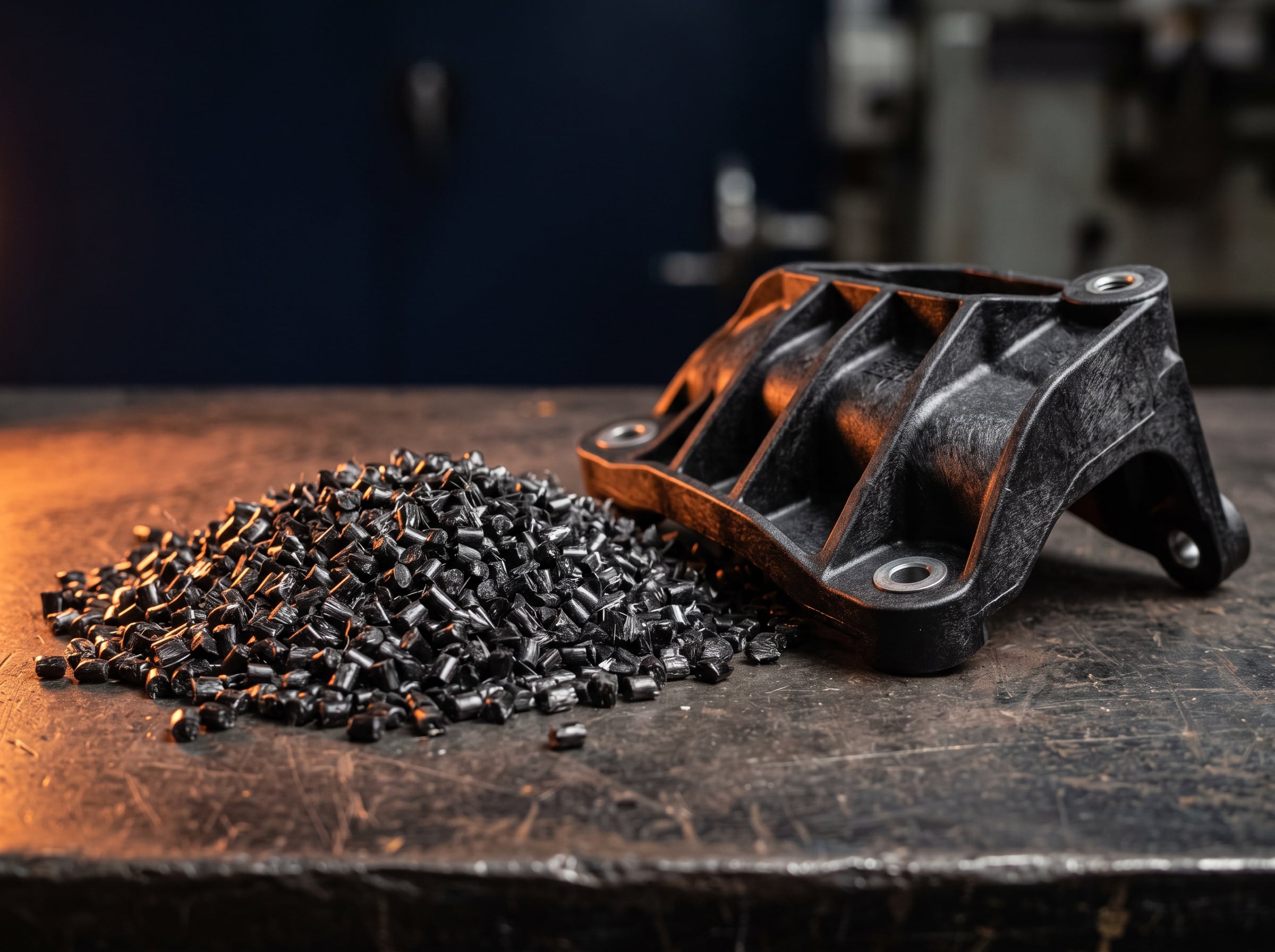 Representative image
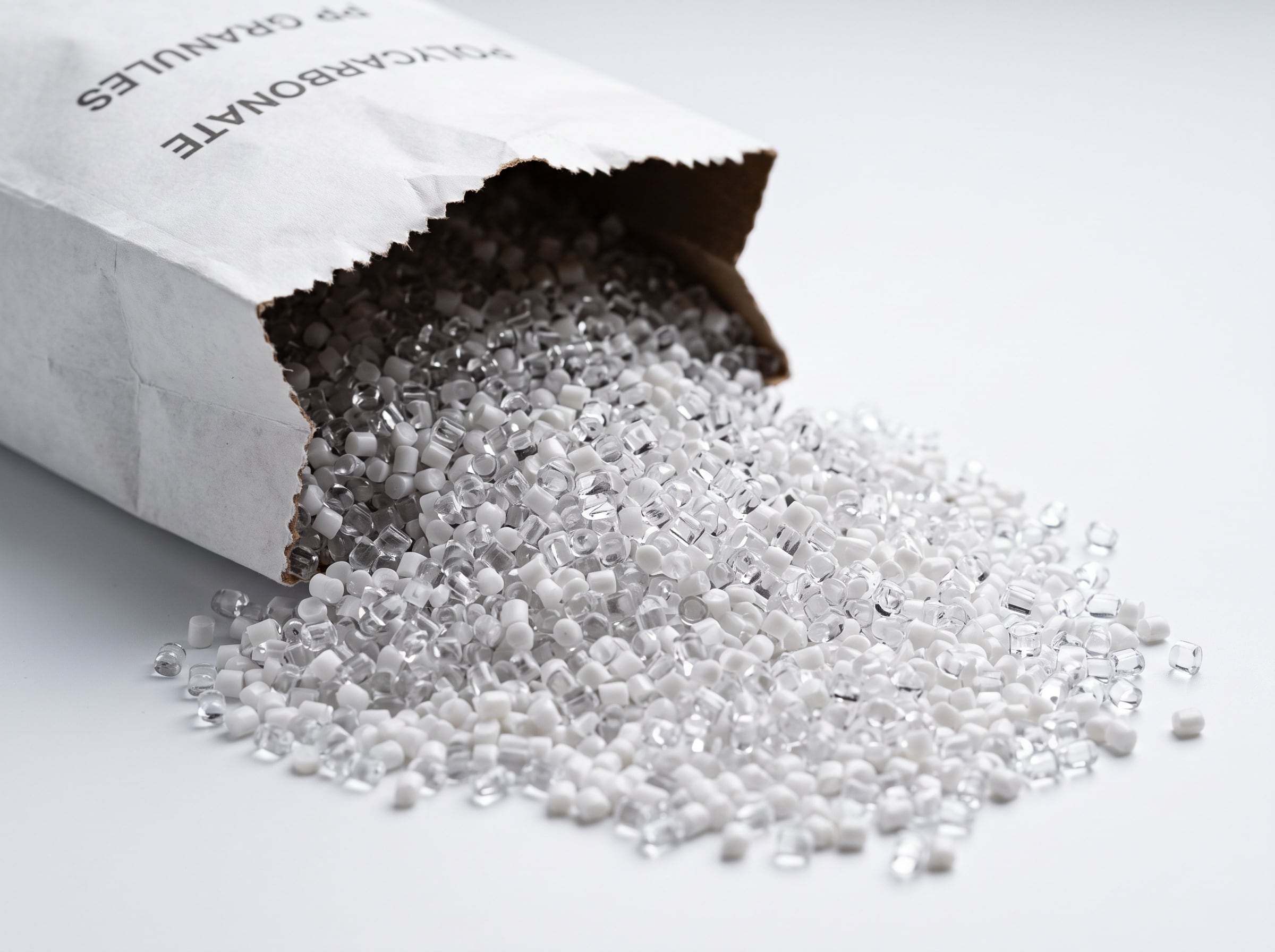
The eight codes below are the products most often named in quote requests: the polyamides PA6 and PA66, PBT, POM, PPS and PEEK for high temperatures, and ABS and polycarbonate for visible housings. Every product page carries the typical values of the family, applications and a quote link for that product.
The reason these codes are requested so often is simple: most automotive and electrical parts are made from glass-fibre polyamide and PBT, mechanisms from POM, visible housings from ABS and polycarbonate. The values on the product page are the typical range of the family; the binding values of the quoted grade arrive with the supplier data sheet. The code PA66 GF30, for example, can carry three different sheets at three suppliers, so the quotation states clearly whose grade it is.
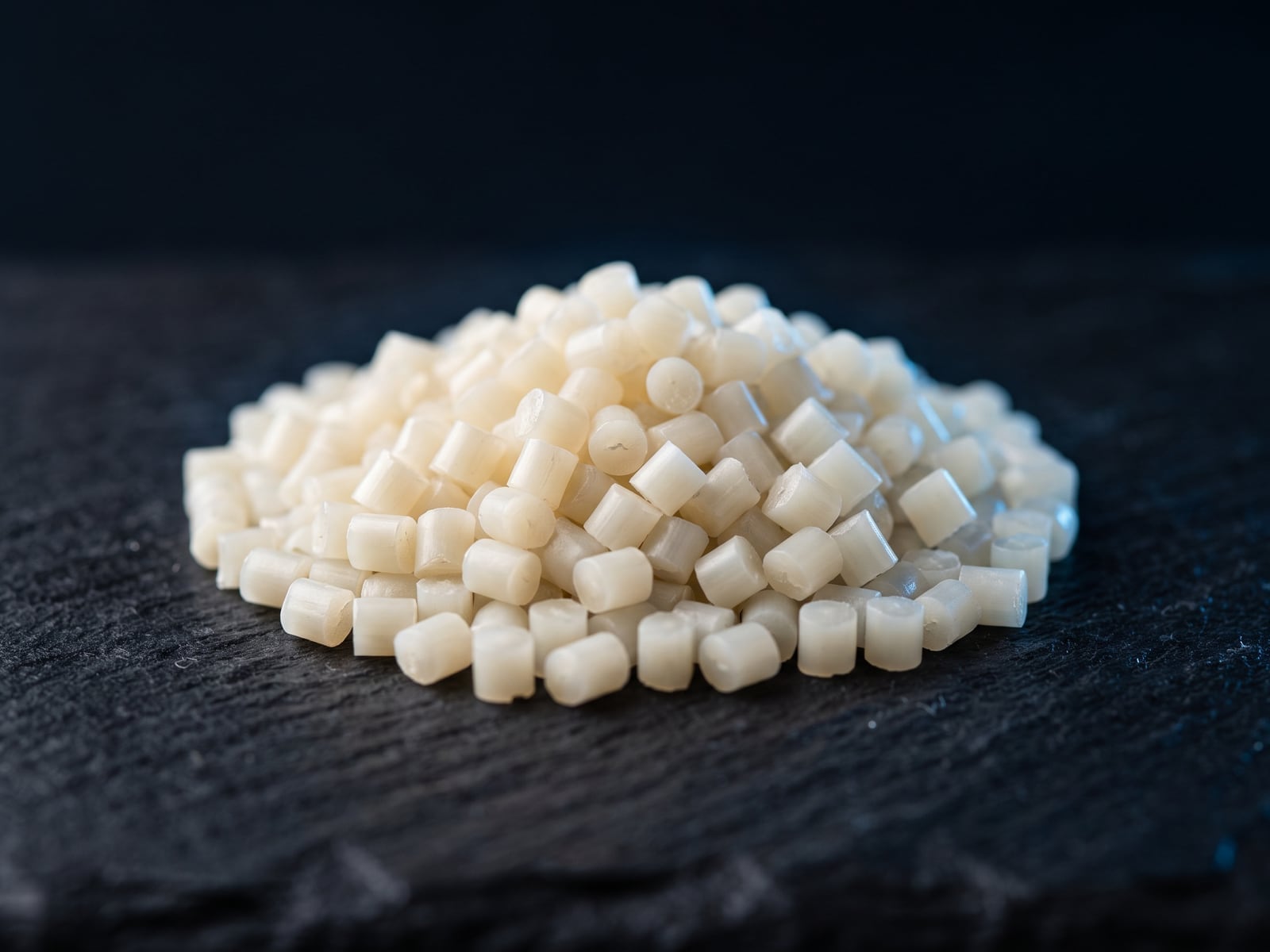
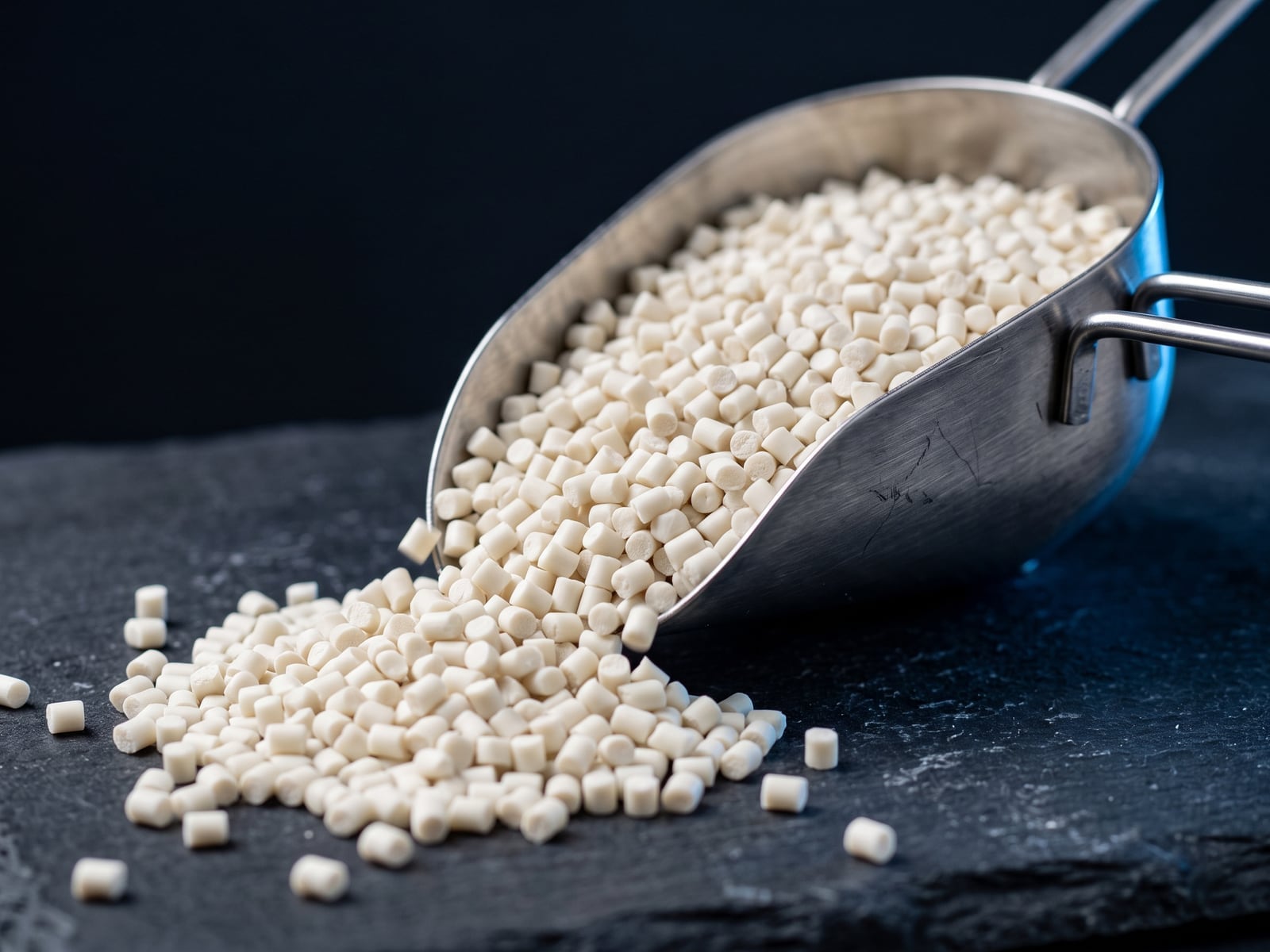
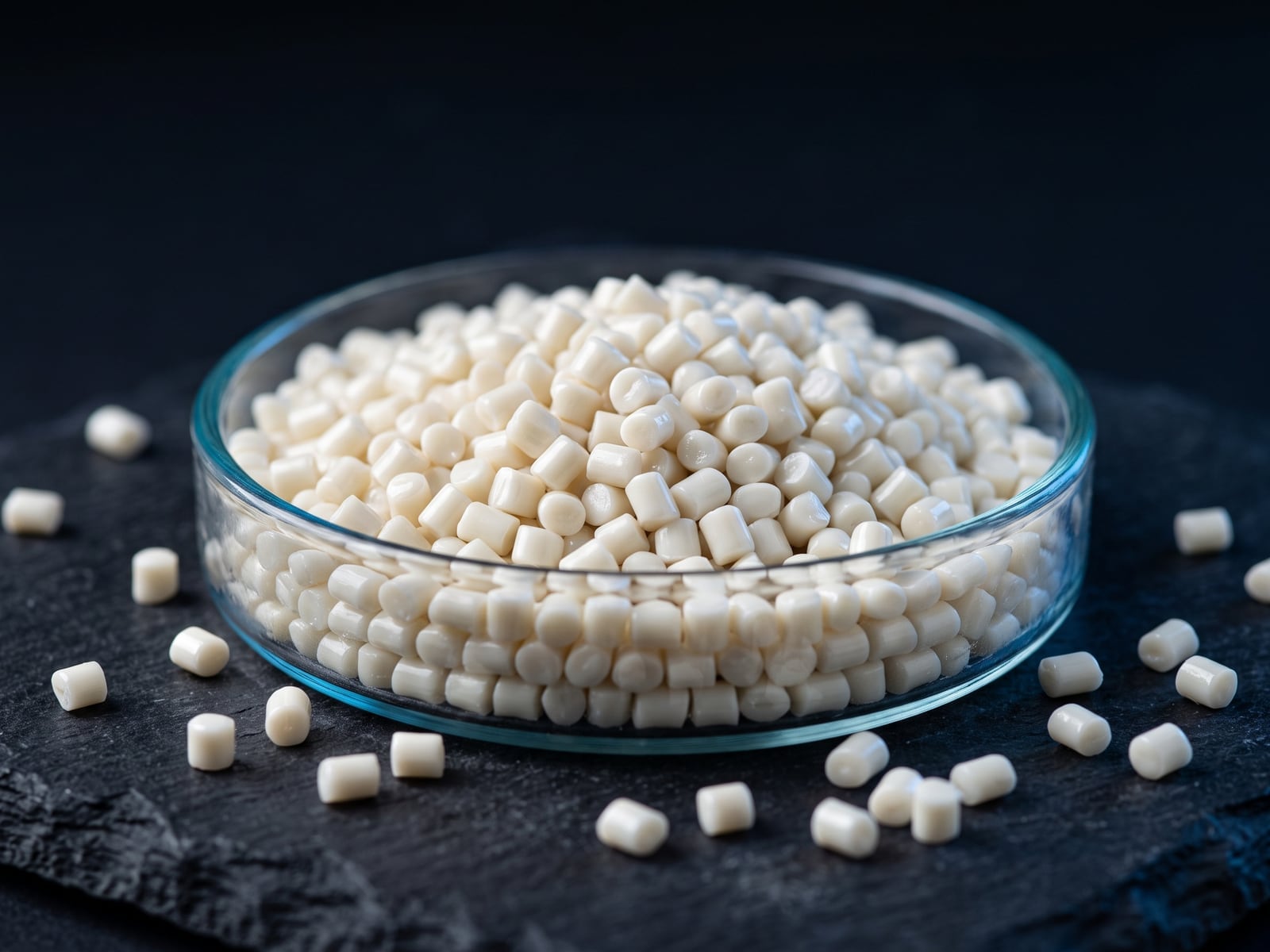

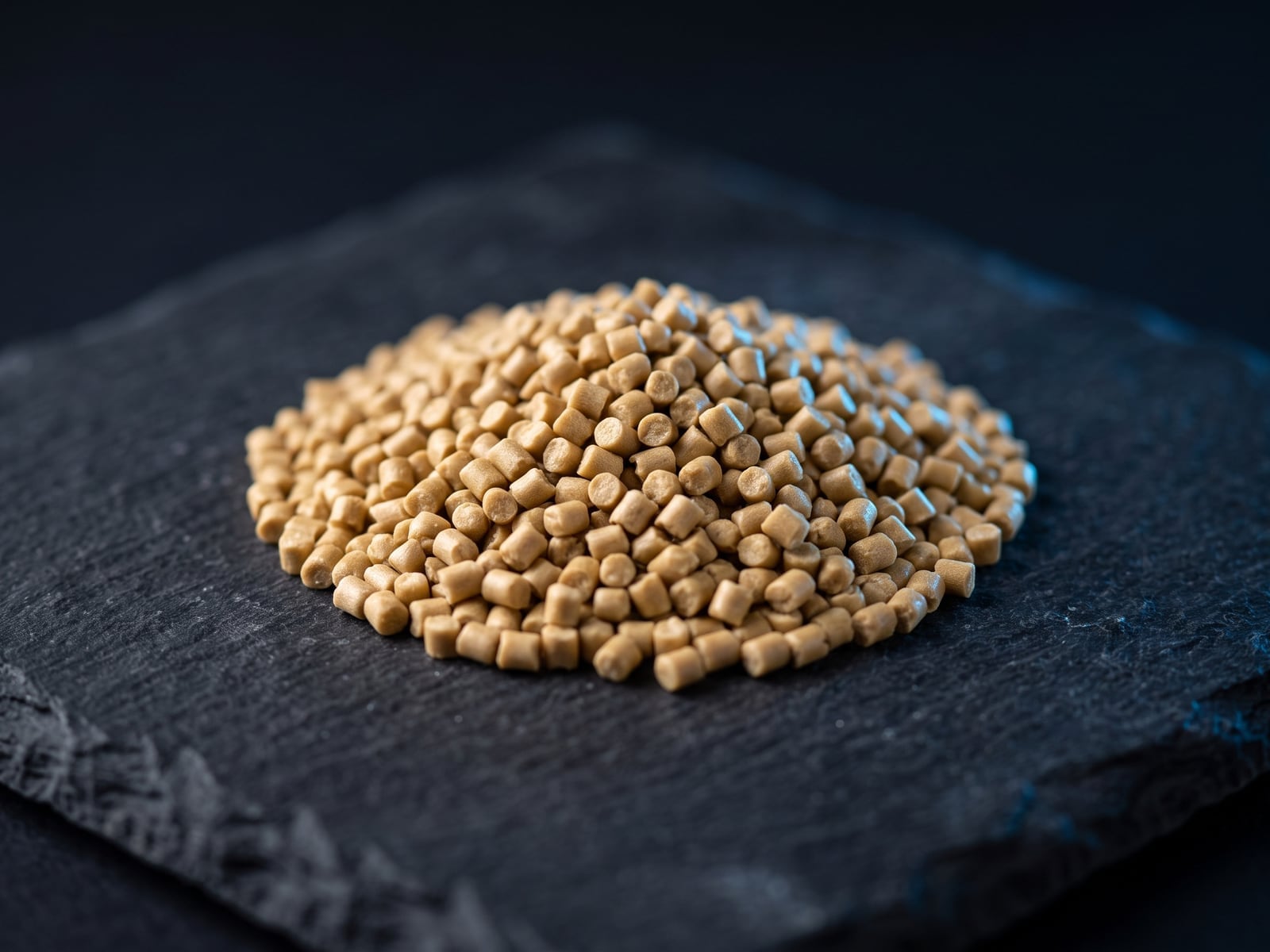
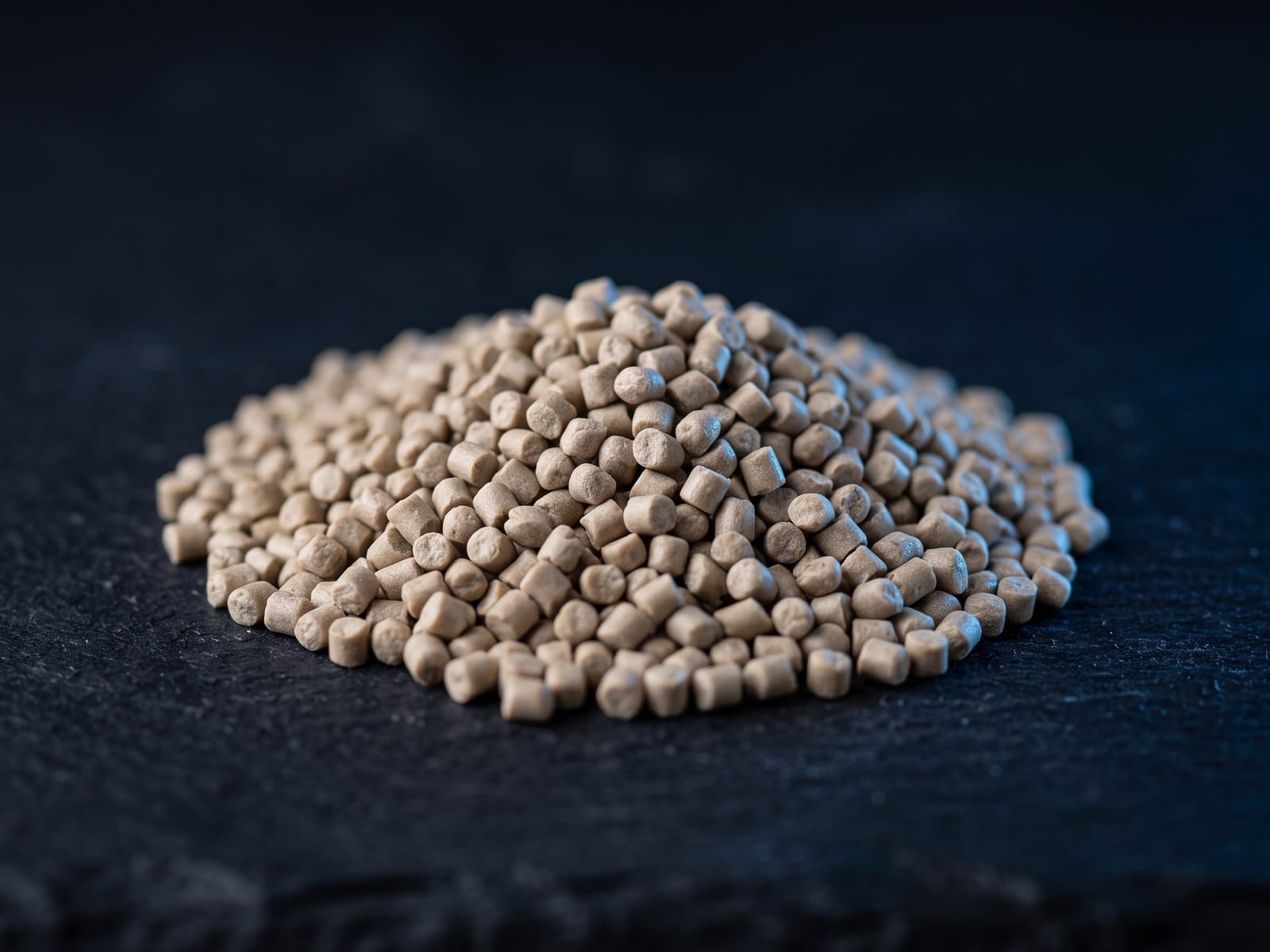
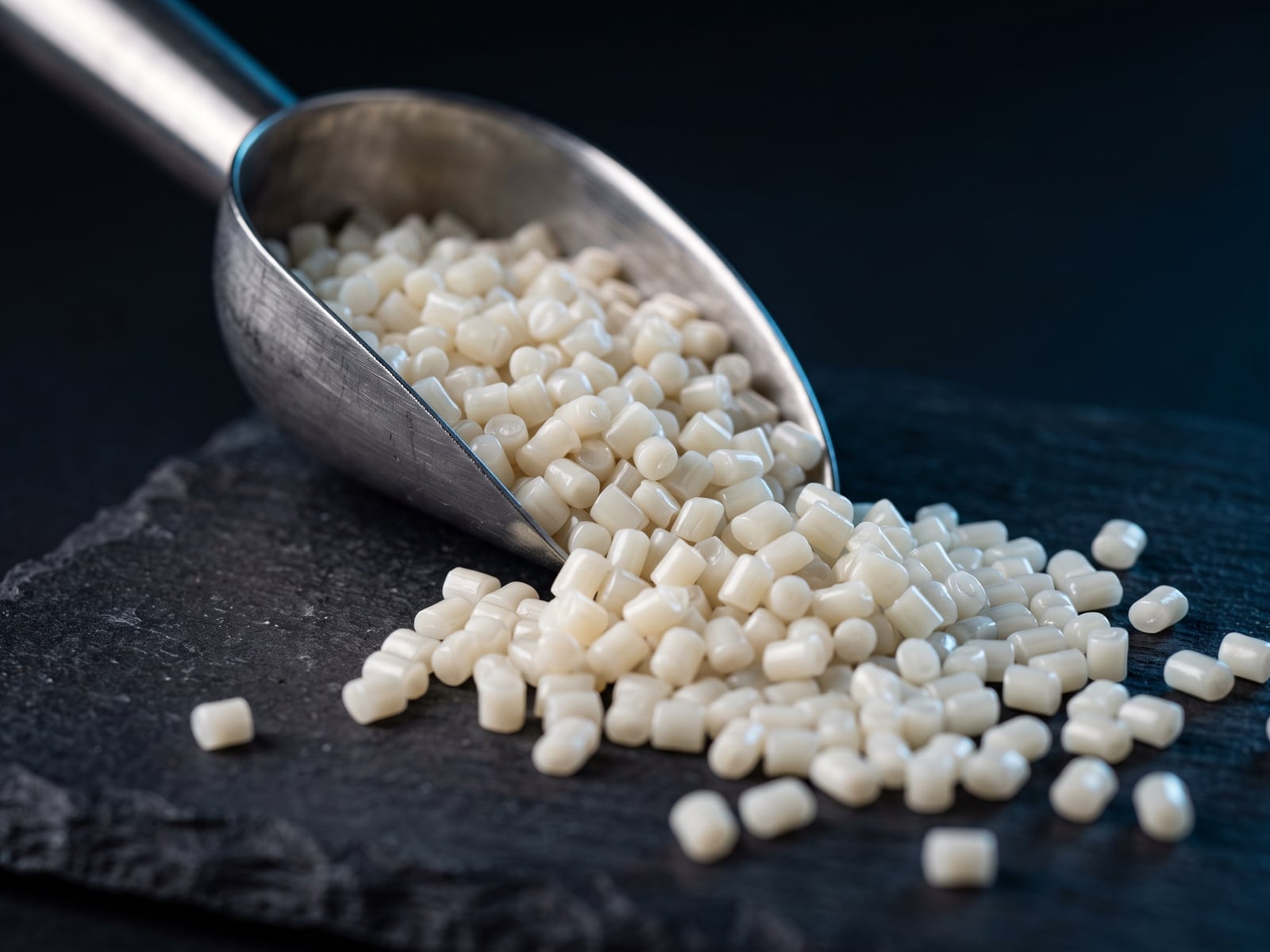

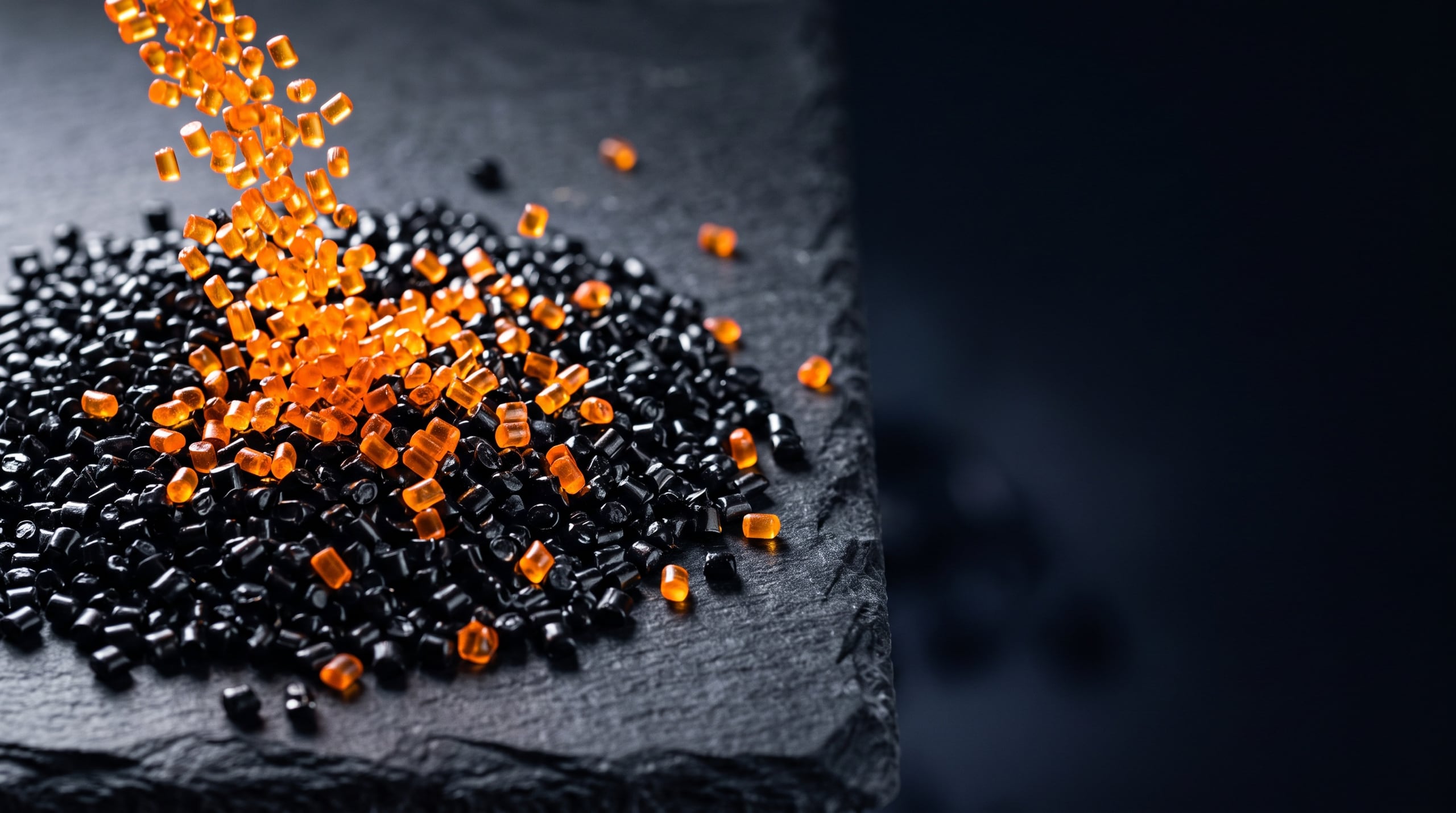
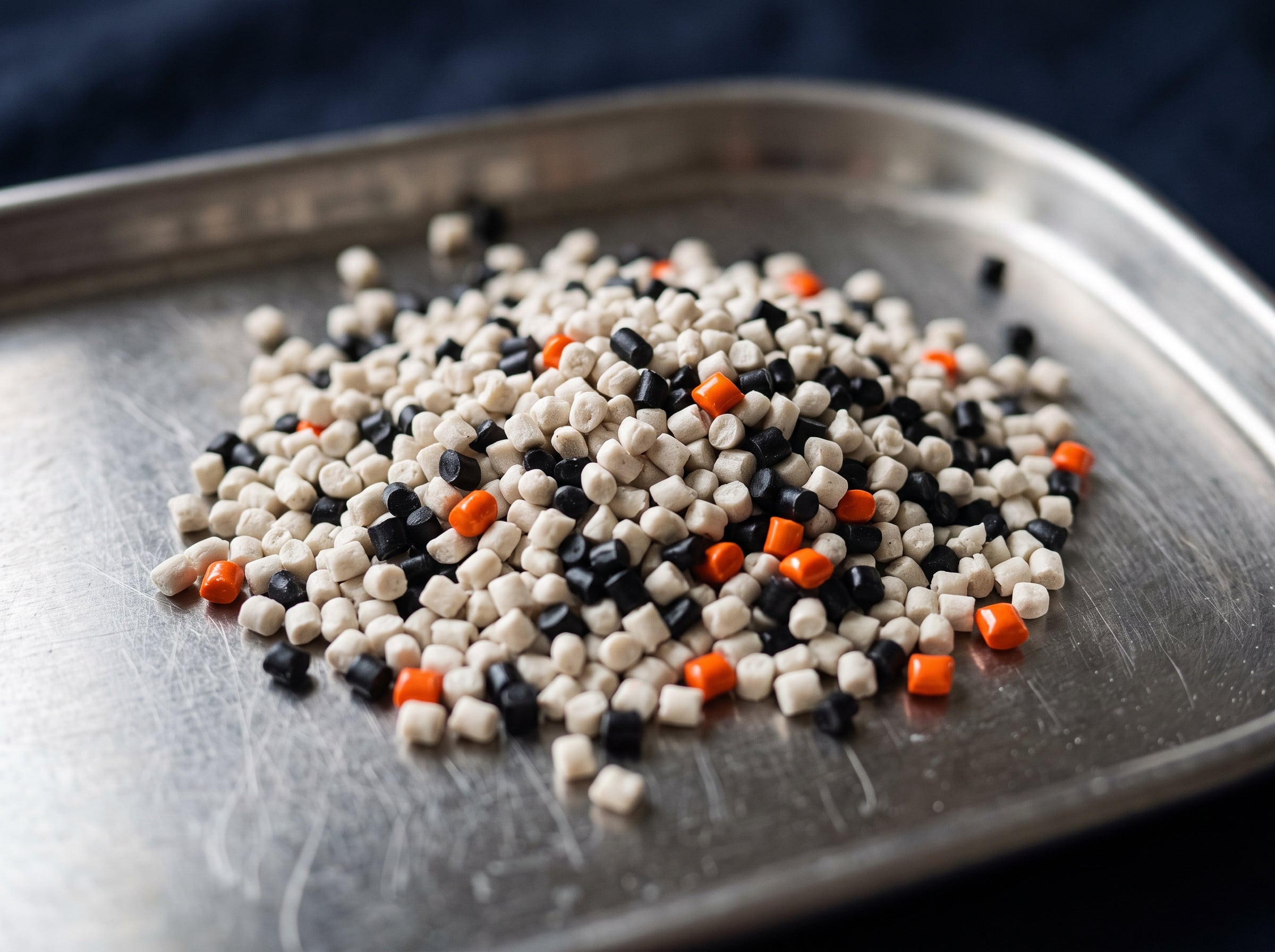
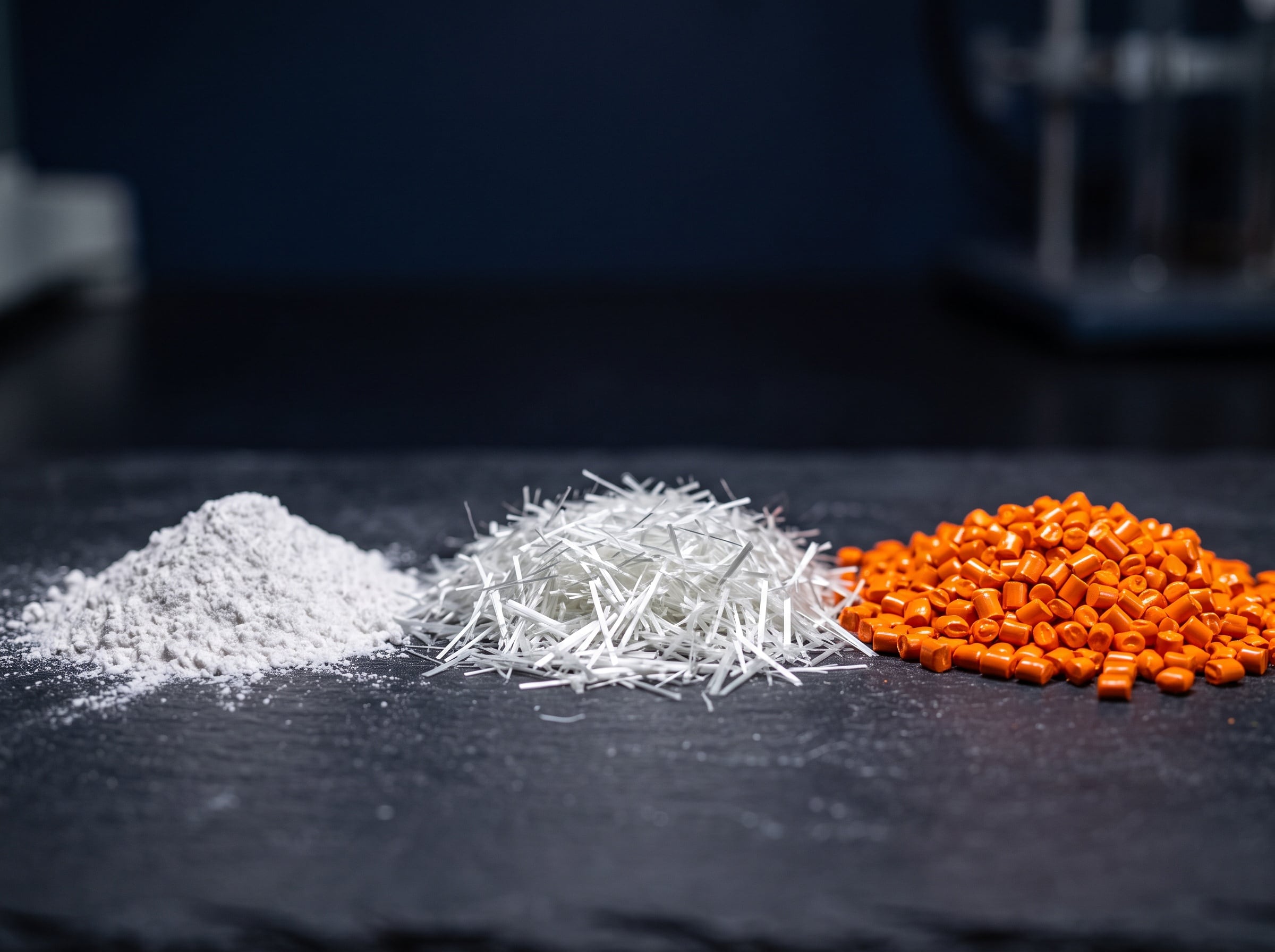
Product images are representative; actual colour and pellet shape vary by supplier.
Because raw material is not chosen by price alone: the right family, reinforcement level and processing values decide the life of the part. Our import, technical support, warehouse and sales teams work under one roof, so the quotation, data sheet, sample and shipment come from a single contact, in the same order every time.
In practice this means: when you ask for an equivalent of the commercial grade you use, we put the two data sheets side by side and name the difference; we expect no order before the sample is tried in the mould; every pallet carries a lot number and the next lot continues with the same lot or the same sheet. In short, the four headings below are not a slogan list but the four teams behind this work; each is described with its scope and limits on the services page. We state our limits too: we are a supplier, not a producer; we source what is not in stock and say so plainly when we cannot find it.
 Representative image
Material selection starts from the most critical need of the part: temperature, wear, transparency, impact, outdoor exposure, fire performance, flexibility, chemical resistance, electrical insulation or barrier. The table below gives candidate families for each need; the final choice is made with our technical team together with the geometry, process and cost target of the part.
| Need | Candidate families | Note |
|---|---|---|
| Continuous use above 150 °C | PPSPPAPEEKPA4.6LCP | Reinforced grades; price rises with temperature, confirm the real operating temperature |
| Wear and slide | POMPA6PKPTFEPAI | PTFE-modified grades for dry-running gears and bearings |
| Transparency | PCPMMAPETGCOCSANGPPS | PC for impact, PMMA for scratch and UV, COC for medical |
| Impact strength | PCABSPPTPUPOE | PP block copolymer in the cold; POE as impact modifier |
| Outdoor and UV | ASAPMMAPVDFTPE-VMasterbatch | ASA for unpainted exterior parts; UV masterbatch in other families |
| Flame retardancy (UL94 V-0) | PBTPA66PPSPVCPPO / PPEFR | Buy FR compounds ready or formulate with additives |
| Flexibility and soft touch | TPETPUTPE-VEVASEBS | Shore A/D hardness and the rigid substrate decide |
| Chemical resistance | PPHDPEPVDFPPSPEEK | PVDF for acids and solvents; PPS and PEEK for hot chemicals |
| Electrical insulation | PBTPA66PPO / PPELCPPC | PBT and LCP in connectors; PPE and PC in enclosures |
| Gas and aroma barrier | EVOHPETCOCPA6 | EVOH as a middle layer in multilayer structures |
We supply manufacturers in seven industries from automotive to packaging. Each expects something different from its raw material: the engine bay needs temperature, a connector fire performance, packaging a barrier, a façade UV resistance. On the industries page we list the most requested families for each heading with product links.
If your industry is not listed, it does not matter: describe your application, operating temperature and process and the technical team proposes candidate families. For a medical or food-contact part, for instance, a grade with the right documentation is sourced separately and stated in the quotation. On the other hand, two parts in the same industry can demand very different materials, so the real operating condition of the part decides, not the industry name.
Every request moves through six steps and each step has a written output: candidate material, quotation, sample result, shipment and lot number. So on the second lot there is no debate about who approved what; production continues with the same lot or the same data sheet.
Product code or application, quantity and process are the three essentials; colour, current grade and delivery place make the quotation precise the first time. The table below shows why each item is asked; the quote form asks these step by step and composes the message for WhatsApp or e-mail.
| Information | Why it is needed | Example |
|---|---|---|
| Product code or application | Defines the right family and reinforcement level | 'PA66 GF30 BLACK' or 'engine-bay bracket' |
| Quantity | Price and packaging depend on quantity | 5 t per month or a single pallet |
| Process | Injection, extrusion and blow-moulding grades differ in flow | Injection, 2 mm wall |
| Colour | Natural, black or coloured via masterbatch | Black, UV stabilised |
| Current grade (if any) | Equivalent comparison is made on the TDS | The commercial name and TDS you use |
| Delivery terms and place | For transport and lead-time planning | Gebze, delivered by truck |
Three situations our technical team keeps seeing in customer production; they rest on professional observation, not on a specific customer. All three are cases where the material was blamed and the supplier changed, while the fix was drying, gate position or the equivalent-grade choice. The first two in particular can appear in two different plants in the same week, so the problem lies in the process, not the brand.
We write these notes because all three can be prevented with one sentence at the quotation stage: drying values come in writing with the sample, part geometry is asked in the quote request, and equivalents are compared on the data sheet rather than the code. The full text of the three notes, with causes and the order of fixes, is on the about page, so you know which question to ask at the quotation stage. When we see a new case we add it to the list, so this section will grow over time.
“Polyamide in an opened bag takes up moisture from the air within hours; the silver streaks in the mould usually come from the bag, not the machine.”
“Glass fibre stiffens the part but shrinks differently along and across the flow; warpage is solved by the gate position, not by the fibre content.”
“Two suppliers' PA6 GF30 share a name but may differ in impact and flow; we pick an equivalent by three or four TDS values, not by the code.”
Short answers to the questions asked most often by phone and WhatsApp; the full list is on the FAQ page.
Forbest Plastik sells raw materials to plastics manufacturers: engineering plastics (PA6, PA66, PBT, POM…), high-performance plastics (PPS, PEEK, PPSU…), commodity plastics (ABS, PC, PP, PE…), elastomers (TPE, TPU, TPV…), ready compounds and additives. Products are imported from overseas producers and shipped from the warehouse in Arnavutköy, İstanbul.
No, there is no list price on the site; prices are given in a written quotation. Because raw-material prices depend on quantity, exchange rate, packaging and delivery terms, every quotation is dated and valid for the period stated in it. To request one, send the product code or application, the quantity and your process.
Yes, the supplier's TDS and SDS files are sent by e-mail with the quotation. The technical values on the site are typical ranges for the material family; the binding values are in the data sheet of the quoted grade. To see a specific grade's sheet in advance, use the 'Ask for technical support' link on the product page.
Lead time depends on whether the product is in stock and is confirmed in writing at order confirmation. Stock items in the Arnavutköy warehouse are palletised and dispatched after confirmation; for items not in stock or arriving by import, the lead time is stated separately in the quotation. Planned stock shortens lead times for regular purchases.
Yes, send the commercial name or data sheet of the grade you use; our technical team finds the equivalent in the same family and reinforcement level, compares the two data sheets side by side and tells you the differences. Equivalent means the same property profile, not the same code, so the comparison is always made on the TDS.
All moisture-absorbing polymers must be dried: polyamides (PA6, PA66, PPA), polyesters (PBT, PET, PETG), polycarbonate, PMMA, ABS, TPU and sulphones. Material processed without drying suffers chain scission by hydrolysis; parts turn brittle and show silver streaks and bubbles. Drying temperature and time are given in each product's TDS.
Prepared by: Forbest Plastik technical team — Technical support and sales team. Application-based material selection experience in engineering plastics, elastomers and compounds. The technical notes rest on our technical team's field observations; values are typical ranges for the material families, test standards are listed below. Last updated: 28 October 2026.
Send the product code or application, quantity and process; the technical team defines the candidate material and sales replies with price, lead time and the data sheet.